
Spitfire
I am a person of ritual and routine.
 I like to do the Telegraph crossword at 6 pm with a glass of malt whisky.
At 8.00 pm before retiring I like to watch the TV for an hour, the problem is that none of the staple diet of bake-offs, ballroom dancing or celebrities doing whatever appeal.
So I build up a stock of recorded programmes.
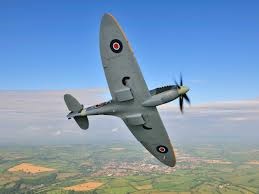 One on the Spitfire I watched recently. These Battle of Britain documentaries always fascinate me not least as any airman fighting in the conflict would now be well into his nineties.
They make for an engrossing interview and men of bravery who should be remembered in giving the Nazis their first reverse.
I read once a WB Yeats poem celebrating the individualism of airmen who preferred that theatre of warfare to the more ordered battlefield. Hitler made a crucial error in switching from attacks on RAF airfields to cities after Churchill ordered the bombing of Berlin. The RAF was stretched to breaking point but now could regroup. One pilot admitted to 4 sorties a day.
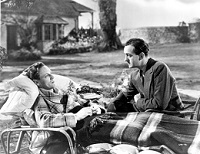 The Spitfire was the iconic plane of the Battle of Britain but I wonder if the film on R.J. Mitchell The First of the Few with Leslie Howard has muddied the waters. Mitchell had a whole team. It was not a case of gazing up at the sky and being impressed by a bird’s flight.
The Hurricane fought in more engagements in the war and had the advantage of not being metal-clad but a tarpaulin cover which could be repaired much quicker and make the plane operational quicker.
Interestingly enough the Spitfire, which started life as sea plane designed for aviation speed contests, had such a sound engineering structure that it could be constantly improved. It needed to be as the Fokker Wolf was the faster plane initially.
The documentary referred to the Spitfire’s engagement in the defence of Malta but failed to refer to its sale to the Arab nations in the 1948 war of Israeli Independence.
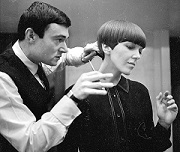 After confronting the British fascists previously Vidal Sassoon, the first global hairdresser, fought in that middle eat war and in an interview he gave was outraged that in defending the top of a hill he was subjected to the bombing from the self-same Spitfires that had defended him in London 7 years earlier.
