
Is it the money?

One thing that has intrigued me since Chelsea’s victory over Manchester City in the UEFA Champions League has been the almost universal ‘kicking’ of Pep Guardiola for his team choices and tactics on Saturday evening among media pundits, journalists, football cognoscenti and fans generally.
 Penning this piece as someone who has never particularly followed football I have found this criticism both interesting and strange.
Most sports hold to the maxim “Form is temporary, class is permanent” and – over the past twelve years – it would be hard to nominate anyone more often identified as the greatest manager in the world than the 50 year old Spaniard.
In the media build-up to the Champions League final references to his quality and standing were legion.
 Several reporters and pundits repeated the story of how, as a junior coach, Chelseas’ manager Thomas Tuchel once sought out and arranged a long lunch to gain Guardiola’s advice on all matters football-related and discuss tactics generally – one pundits describing the session as akin to two grand masters discussing chess.
And yet now Guardiola stands accused of not being quite so outstanding after all.
To be fair, last Saturday some media folk had begun raising metaphorical eyebrows the moment Guardiola announced his Manchester City team – he seemed to have abandoned his normal approach and strategy with his choice of midfielders and forward players.
Was this part of the genius of the man … or instead a weird and potentially-costly error?
The world – or specifically the football part of it – soon found out when Chelsea deservedly annexed the Champion League trophy.
And now Guardiola cops the flak.
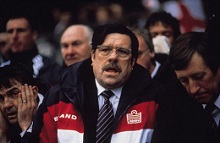 Just how good are football managers, anyway?
Some might argue that if Mike Bassett – the hapless lead character played by Ricky Tomlinson in the spoof 2001 movie Mike Bassett: England Manager – had the advantage of Sheikh Mansour (estimated net worth a minimum £17 billion) as his backer, he too could have won the majority of baubles that Guardiola has brought to Manchester City’s trophy cabinet.
At the end of the day, perhaps – when it comes to management, coaching plus, of course, strategy and tactics – and despite all that pundits and fans around the world might fondly wish to imagine, the simple but unwelcome truth of the matter is relatively straightforward – in sport generally “money buys success”.

Graham Potter
I suspect that there’s a certain “collective knowledge/acceptance” in the game amongst players and fans that football knowledge, plus application, brainpower and flair can make certain individuals outstanding manager/coaches.
By any yardstick.
But do even those outstanding individuals always “work out”?
 For example, I’ve never worshipped at the altar of Jose Mourinho.
Granted, he’s won a stack of trophies in his time at a host of different clubs in his time and will always get hired somewhere.
He’s also – and rightly – famed for “giving good interviews” (by which I mean entertaining and nearly always controversial ones) – but his approach and chosen style of play has always seemed “safety first” and negative to me. The perfect example of this was his stint at Manchester United which, for good or ill, has long enjoyed a romantic worldwide reputation for winning with exciting and attacking play.
Mourinho turned them into a “Mourinho team”, which inevitably (in my book) had twin unfortunate consequences: first, they didn’t win anything that mattered; and two, they bored everyone stiff.
Finally, to sign off by returning to my main thrust today – hitherto Pep Guardiola has always been respected for his tactical genius.
However, not even the “great” can be infallible 100% of the time. Maybe he had on “off day” over the weekend.
But maybe – just maybe – money counts for more in sport than anyone would care to admit.
