
EAST WEST STREET/PHILIPPE SANDS
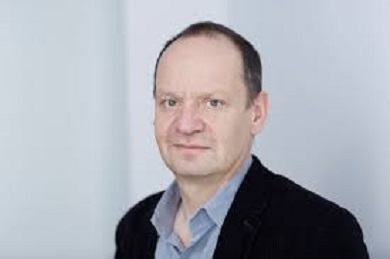
EAST WEST STREET is a portrait of two eminent jurists and an investigation into the antecedents of international human rights lawyer Phillippe Sands. The common denominator is Lviv, a city sometimes in Poland but now in Ukraine as the two lawyers, Hirsch Lauterpacht and Raphael Lemkin both lived in East West Street, Lviv, and Sands’ grandfather Leon Buchholz not far away.
The account focuses on the Nuremberg trial and here I must claim a certain knowledge. This began in the unlikely venue of the Saddle Club, a lakeside hospitality place in Chicago. A colleague and I were waiting for a taxi after a conference social event with two elderly lawyers. As the taxis were scarce we agreed to share the one that arrived. It soon became apparent that these were no ordinary lawyers but part of the American prosecution team at Nuremberg. We stopped at their hotel and a fascinating conversation deep into the night ensued. I maintained contact with one of them Henry King, mentioned in the book. Henry generated a deep interest in Nuremberg. Through him I was able to differentiate between those that actually played an important role and those that claimed they did for their subsequent reputation. Henry never mentioned Hirsch Lauterpacht but it was he that developed the jurisprudence of crimes against humanity whereby the individual rather than the state was accountable. 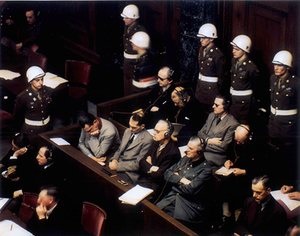 Nuremberg was the first tribunal to do so. Raphael Lemkin who was not part of any team but went there anyway developed the notion of genocide. Lauterpacht was dimissive of this. Ironically then the only reference to this in Nuremberg is in the speech of Hartley Shawcross which Lauterpacht wrote for the chief advocate but the latter took it upon himself to add the crime of genocide. This has since been adopted into a convention and despots like Charles Taylor and Auguste Pinochet have been indicted under it. Philippe Sands was involved in that prosecution. It is to Sands’ credit that he animates what might be dry jurisprudence by extending the scope of the account.
He is interested to know how it was that his grandfather went to Paris alone leaving behind in Vienna his wife and child. His investigation throws out a remarkable woman called Elsie Tierney who saved many young Jewish children including Philippe Sands’ mother. Miss Tierney was rightfully inducted into the Honourarium of the Righteous in Yad Vashem the holocaust museum in Jerusalem. I won’t do a spoiler but another family revelation also merges.
Sands’ account of Nuremberg is not definitive. He omits to mention the important point that article 63 of the German military manual prohibits the type of conduct indicted as crimes against humanity and he overstates the role of Hartley Shawcross. The judicial hero was David Maxwell Fyfe for his brilliant cross examination of Hermann Goering. He does place the Tribunal in context as the forerunner of an international criminal court and provides a portrait of the Butcher of Poland, Hans Frank, the Gauleiter and most senior judicial official in the Third Reich.
All in all this is most absorbing and readable account, searing in parts for its barbarity but a valuable contribution to what I and many others regard as the supreme judicial achievement of the twentieth century.
