
English cricket – the inquest begins (again)
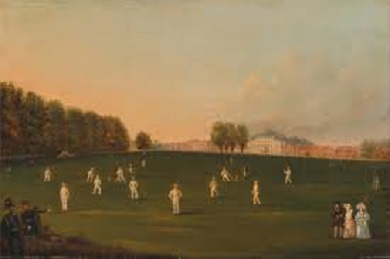
The records have it that the first-ever international cricket match – between the United States of America and Canada, no less – took place at the grounds of the St George’s Cricket Club in New York in 1844.
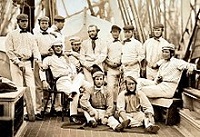 A English professional cricket touring team mounted the first-ever overseas tour to North America in 1859; the first tour by an English team to Australia took place in 1862; and the first-ever tour of England by an Australian team – comprised entirely of Aboriginals – occurred in 1868.
The two matches between an England touring team and an Australian XI in Australia in 1877 are now regarded as the first-ever Test matches.
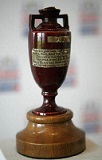 The following year a full Australian team toured England for the first time and cricket’s most famous trophy – the tongue-in-cheek mock “Ashes” (of English cricket) – was prompted by Australia’s thrilling victory at the Oval in 1882.
The fact is that, over the course of the 144 years that Test cricket has been played – in common with most of its international counterparts – English cricket has managed more than its fair share of exhilarating successes, dogged escapes from abject defeats by defiant stone-walling defensive batting to eke out unlikely draws and, of course, an embarrassingly long list of seemingly inexplicable pathetic batting collapses.
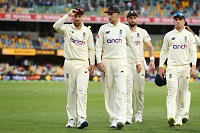 For the average English cricket fan sitting at home in Blighty, listening to the ‘live’ radio commentaries from Down Under, it is sometimes difficult to decide whether the parlous state that English Test cricket has reached in the current Ashes series is merely the latest “blip” in the helter-skelter ride of our supposed national elite game – or something more sinister and permanent
In which context – (as I must here record) subject, as always, to any interference by its administrative website after I have provided it – today I present Rusters with a link to a far-reaching article by Martin Kettle that I spotted overnight on the website of – THE GUARDIAN
