
Quartered but safe/George MacDonald Fraser

Pursuing my interest in the less well known theatres of conflict of World War Two, I received this enthusiastic recommendation from a solicitor friend of mine.
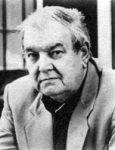 It’s a personal account by the author of the Flashman series of the Burma Campaign of 1946 and is extremely good.
It dispelled many myths.
 Burma is not a country wholly of tropical forests but also has a dry belt in its centre.
The Chindits, an elite unit working behind enemy lines under the eccentric Orde Wingate – acclaimed as an exceptional fighting force by posterity – were not regarded as such at the time by other soldiers in the campaign.
The Jap – as the Japanese are invariably called – is respected for his soldiering.
 The Gurkhas were silent but deadly, preferring to kill not with a gun but with their trademark Kukri knife.
Indeed they often abandoned their rifles altogether.
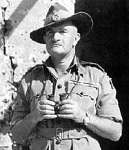 Overall commander and supremo Field Marshal Slim was – in the writer’s view – as brilliant an allied general as any in the War and implemented a successful strategy of not remaining static but confronting the Jap wherever possible whilst he was leading from the front.
Despite the possibility of death and the awful consequences of capture by the Japanese the foot soldiers in the ninth Cumbrian section of the 14th Army – known as the “Forgotten Army” simply got on with it.
 In particular Fraser describes graphically how a group of men in a Cumbrian regiment thrown together from different and diverse backgrounds could nonetheless form a cohesive unit and even a sense of camaraderie.
In one relationship Fraser admits to disliking one of his fellow soldiers called Forster for his rudeness and bitterness but respected him greatly as a soldier. He draws the comparison with two players in a field game that can form a productive partnership but never actually get on that well off the pitch.
I have never read a better nor more exciting account of conflict and military life.
 My only reservation is that Fraser has written this account based on a Kipling quotation some 50 years after the event.
In so doing he adopts a somewhat cynical world weary standpoint that modern soldiering is too namby-pamby and the world he occupies – though he lives very nicely thank you- is not the world he fought for.
It’s just as well he was not writing 85 years after the event.
Some readers might also find the use of Cumbrian dialect spelt phonetically hard to follow.
After the fall of Singapore and Tobruk in 1942 doubts existed about the efficacy of the British soldier.
 By 1946 such doubts had disappeared.
The repulsion of Japanese forces in India and their removal from Burma in the most demanding of conditions confirmed the valour and operational efficiency of the Tommy.
This book is as good a testament to that as any historical military work.
