
Sir Edward Elgar

I would lay a penny to the Pargiter tenner that if anyone had to cite the quintessential English composer it would be Edward Elgar.
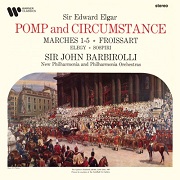 He composed five versions of Pomp and Circumstance and Land of Hope and Glory – written at a low point in the Boer War – is the most stirring of anthems.
The Nimrod is played at the Cenotaph memorial.
Yet because Elgar came from humble origins in trad – his father had a musical shop and was a piano tuner in Worcester – and was a Catholic, he himself had insecurities about acceptance.
As is often the case, he aspired to be more English than English but the trajectory was not easy for him.
 Added to this, as a music teacher in a ladies school in Malvern, he did not earn much money and – even when fame came to him – a knighthood did not.
However, as Donald Macleod in his excellent appreciation of him as Composer of the Week demonstrated there can be no doubt as to Elgar’s prowess and durability.
 I think stirring is the word but his Cockayne, a appreciation of a London which he himself never adopted as he preferred the country, is lively and tuneful.
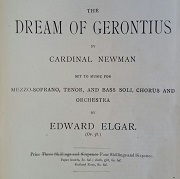
Another composition Dream of Gerontius – inspired by the catholic Cardinal Newman – was rejected by senior Protestant clerics.
He did not have easy relationship with the musical establishment, nor with musical critics.
 Although now regarded as quintessentially English, its paradox is that his first appreciation did not come from his own countryman, but from discerning foreigners.
Oh – and by the way – he was an enthusiastic supporter of Wolverhampton Wanderers.
