
Video evidence
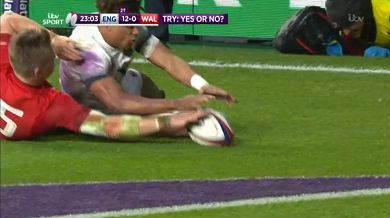
I will not presume the same degree of rugby knowledge as Sandra and Derek but I did watch England beat Wales. To me it was an exciting but scrappy match and did not convince of England’s credentials to prosper in the World Cup next year.
I would like to return to topic which I have covered, namely the use of video evidence which I have now seen in rugby, American football, cricket , Italian and English soccer sometimes at first hand and sometimes on the tv.
The main argument of video referral is that it heightens the probability of the referee getting his decision right. On that basis – and from what I have seen – I am not at all sure it does.
 In the international yesterday it was hard to say whether the ball was grounded at first by the Welsh player Gareth Anscombe or Anthony Watson of England but television match official Glenn Newman, flown over from New Zealand, refused to sanction the try.
The Welsh analysts felt aggrieved but then again they normally do.
More or less the same thing happened in the Superbowl when the evidence could not determine whether the player had the ball under control or not. I watched Fiorentina v Juventus where it reached farcical levels when Verretout could not take his penalty as Juve players were protesting in the box and – lo and behold – the referee annulled the penalty and awarded a free kick to them. As Stefano e-mailed to me afterwards “Would the referee have done so if the team was Sassuolo?”
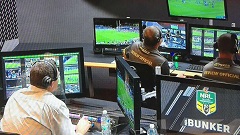 Those that opposed video evidence – like me – were worried about the loss of continuity and the absence of celebration as you don’t know if its a wicket or goal. You wait around whilst a miked-up arbiter, who seems to enjoy the attention, determines. There is another philosophical issue. My late father from an early age used to say to when I complained of some unfairness at school “You have to get used to injustice.” This was sound counsel and one which, if sport followed it, might have led to more exciting drama and not the present unsatisfactory position
