
We fight Fascists/Daniel Sonnabend
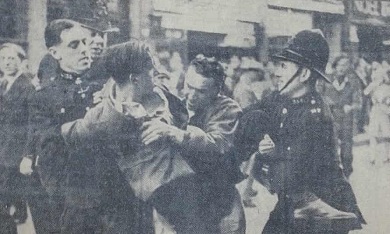
This is the true story of the 43 Group constituted by Jewish people to fight domestic fascism after World War Two.
It is a graphic account of violence, disruption of fascist marches and meetings, and intelligence gathering by a group fearful that – having defeated Nazism – the creed would resurface in post war Britain.
It was felt that the Jewish Board of Deputies, the official representative body, was too passive.
 Many of the activists had fought in the war.
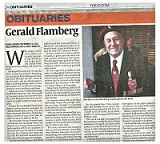
One such was Gerry Flamberg, a paratrooper at Arnhem and army middleweight boxing champion.
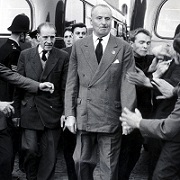 Though Oswald Mosley was released from prison in 1943 he never really was his old fascist pre-war self as an orator and a plethora of fascist organisations developed waiting for his return to their leadership.
One such was The League of Ex Servicemen , run by Jeffrey Hamm who later became Mosley’s secretary, which was probably the most effective.
Eventually Mosley ran up his colours and his Union Movement was formed in the late 1940s.
The 43 Group had excellent intelligence and infiltration of the fascists.
One bodyguard – known as Joe – with Aryan looks – rose in the fascist ranks was a Group 43 agent and tipped them off on the details of Mosley’s country home so that this could be burgled and key papers stolen.
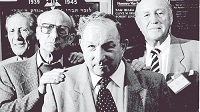 Typically the head of intelligence, Murray Pedro, would get information on a forthcoming fascist meeting or march and the heavies referred too in the book by the Yiddish word ‘shtarkers’ would heckle and disrupt.
Almost invariably there would be a mass brawl which the Police found hard to control but probably favoured the fascists It was a grievance that the Fascists had free rein to invite but it was the hecklers that could be arrrsted
The fascist movement did not have legs. Mosley left the country. The extreme activities of the Stern Gang against the British soldiers in Palestine under the Mandate came to an end with the formation of Israel.
 This terrorism was a fertile issue for the fascists. Group 43 was successful in intimidating fascists who became too frightened to attend marches and meetings.
Further the Home Secretary in the then Labour Government – Chuter Ede – banned marches under The Public Order Act.
 With the Windrush, Caribbeans replaced Jews as fascist targets for their vile bile.
Sonnabend, who interviewed those of the Group that are still alive and their families, tells the story well.
Most of the activists were youthful and went onto successful lives.
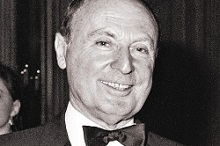 Jonny Goodman for example became the successful TV producer of The Saint before becoming Chairman of BAFTA.
The most successful was global hairdresser Vidal Sassoon who was just 17 and the youngest in Group 43 -so called as it numbered 43 at its launch – when he was a combatant for the Group.
A minor criticism of the book is the absence of a glossary of the key personae on both sides and the various fascist movements and branches as this was difficult to assimilate.
As Sonnabend says the struggle is now forgotten.
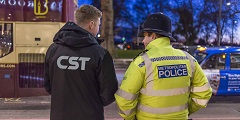 Forgotten it may be but the legacy developed into the Community Security Trust, run by Gerald Ronson, who was involved in the later 62 Group combating a resurgence of anti Semitism under Colin Jordan, recently chronicled in Ridley Road, the epicentre of much of the post-war conflict covered in this thorough work.
