
The decline and fall of Marks and Spencer
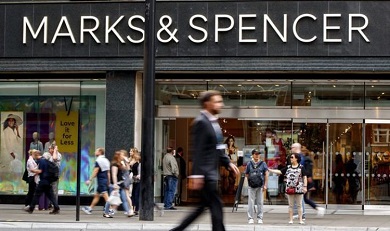
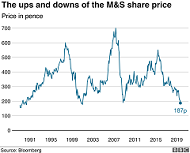
Many conventional reasons are given to explain the decline of Marks and Spencer – their failure to adapt to the digital age; the dowdiness of their womenswear; the arrival of new kids on the block like Primark, New Look and Boohoo; the reduction in value of their high street sites; and a succession of CEOs who have failed to reverse the trend(s).
 I would add a further one based on my shopping experience: their shops.
They lack visual appeal and, most importantly, service in them has declined.
Take my local one which I visited on Monday.
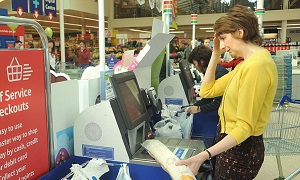 On checking out at the non-automated tills there was no one there to assist the shopper because they were unmanned.
The lady behind me in the queue volubly complained, bells were rung, but the queue just increased.
The company mounts a massive ad campaign to promote the brand that there is only M & S food.
It is true that it’s high on quality but – if the shopping experience is unsatisfactory – then the shopper does not return or more likely goes to Waitrose where the service is first rate.
 Added to this failure of service, they insist on moving basic items around so you are forced to enquire where they now are.
On Monday the soups were moved yet again and the greeting cards had disappeared to another part of the store.
 I noticed that most of the shoppers were elderly but, like the BBC, they are disenfranchising their core clientele in the hope of attracting a new, more youthful, one.
Yet these young shoppers are more influenced by social media and have a clear grasp of style and fashion which M& S cannot satisfy.
Indeed it is unclear now what the marque does stand for.
St. Michael stood for quality, premium high street presence, plus smalls for men and women – but we live in a different era now.
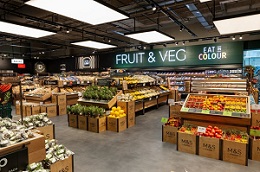 The Ingolby Plan would be to shrink the size of the stores; to sell only the basic clothes in-store; to make the stores visually more exciting; to give local store managers more autonomy; to concentrate on food lines; to target senior shoppers by reducing automated tills and increasing manned ones; and to have an internet presence and resource that is both innovative and attractive to all ages and sexes.
This is a bold change from the past but might just restore the pride and reputation of a flagging brand.
